Investment thesis · CDMX · 2026
Ichi. The Japanese specialty beverage platform for Mexico City.
Demand for Japanese tea (tencha) is contracting: hand-picked Uji production is down 40% YoY and Kyoto auction prices are up 265%. Just as Mexico City crosses an inflection point: twenty-plus relevant concepts, no operator with more than two locations, and the imminent entry of international platforms.
Why now
Four forces converging.
01
Structural Japanese supply shock.
Kyoto Uji hand-picked tencha down 40% YoY in 2025; Kyoto auction prices up ~265% YoY. JA Group Kagoshima's USD 170M / 300-ton capacity comes online only in November 2027. The 18–24 month window favors the operator who locks allocation first.
02
Mexican demand inflection.
SAN reached two stores and 26K Instagram followers in fourteen months. Twenty-plus matcha-relevant concepts now operate in CDMX. Globally, hojicha search is +54.6% since Q1 2025; “hojicha latte” +173%. Yelp 2026 names kurogoma the hot commodity of the year.
03
Competitive fragmentation about to consolidate.
No CDMX operator credentials more than two locations. Alsea-Starbucks launched the Pistachio Matcha Latte in December 2025 — the precursor to a matcha-led format in Polanco/Reforma by 2027. Combined probability of Blank Street or Cha Cha Matcha entering in 24 months: 30–45%.
04
An 18–24 month leasing window.
The next twelve months are the best CDMX retail leasing window of the next five years. Antara has tenant rotation underway; Mítikah is still in lease-up; Polanco Masaryk ground-floor inventory is thin. Past mid-2027, rent escalators kick in and TI credits compress.
The evidence
51 venues today. No operator with more than two credentialed locations. That is the window.
Opportunity sizing
Japanese specialty beverages — a category with room left to grow.
USD 1.59B → 3.68B
Mexico specialty coffee, 2024 → 2033, 9.82% CAGR (Deep Market Insights).
1.9–2.3M
CDMX AB+C+ residents (INEGI 2020 / AMAI 2024).
USD 50–110M
SAM premium Japanese specialty, six top metros, 2026–2028 (estimate).
Mexico is a coffee-and-aguas-frescas market that demands variety and optionality. Our investment thesis builds on matcha lovers and complements with hojicha + kurogoma as value-adding specialties.
The vehicle
One idea. One brand. Ichi.
Ichi is the operating platform that executes the thesis: physical café, DTC (direct-to-consumer), and B2B wholesale, anchored in CDMX and built around six core SKUs.
Ichi (one in Japanese) is the first stroke of Japanese calligraphy, and the discipline of doing one thing well before attempting the next.
Three sourcing regions, three potential revenue channels, a cluster of three to five stores over twenty-four months.
The product
Six SKUs. Aligned with current trends.
抹茶
Matcha · まっちゃ
Credibility anchor and social-media draw.
- Food cost
- 16% (Uji premium) · 7% (Kagoshima latte)
- Signature
- Matcha Latte · Yamamoto Koicha.
ほうじ茶
Hojicha · ほうじちゃ
Volume engine and gross-margin compounder.
- Food cost
- 4%
- Signature
- Hojicha Latte · Hojicha de Olla.
黒胡麻
Kurogoma · くろごま
Conversion mechanism for non-matcha consumers.
- Food cost
- 5%
- Signature
- Kurogoma Latte · Kurogoma Matcha.
玄米茶
Genmaicha · げんまいちゃ
Daily utility and hot-tea retail spine.
- Food cost
- 3%
- Signature
- Genmaicha Latte · hot service.
柚子
Yuzu · ゆず
Seasonality and limited-edition foot traffic.
- Food cost
- 8% (May–September)
- Signature
- Yuzu Matcha Tonic · Yuzu Spritz.
カカオ抹茶
Cacao Matcha · カカオまっちゃ
Defensible Mexican-Japanese crossover.
- Food cost
- 10%
- Signature
- Cacao Matcha · Hojicha de Olla with piloncillo.
The cluster
Five addresses. One sequence.
Antara or Mítikah (month 4–6) → Condesa street box (month 9–12) → boutique-hotel embed (month 12–15) → Juárez (month 15–20) → optional kiosk (month 20–28).
01
Antara Polanco · Anchor
Open-air boulevard format flatters café aesthetics; NSE A daily-shopper traffic; brand legitimacy by luxury adjacency.
02
Mítikah · Anchor backup
Lower rent base, 280 commercial slots with leasing flexibility, newest mixed-use development (2022); underserved Coyoacán catchment.
03
Condesa · Street box
Volume engine and daily routine; delivery hub; NSE A/B/C+ density less saturated than Roma.
04
Boutique hotel · Embed
Wholesale flagship, afternoon-tea program, brand halo. Without paying Polanco street rent.
05
Juárez · Reforma corridor
Corporate plus design; Soho House catchment; opportunity gap relative to Roma/Condesa.
The supply
Three regions. One procurement discipline.
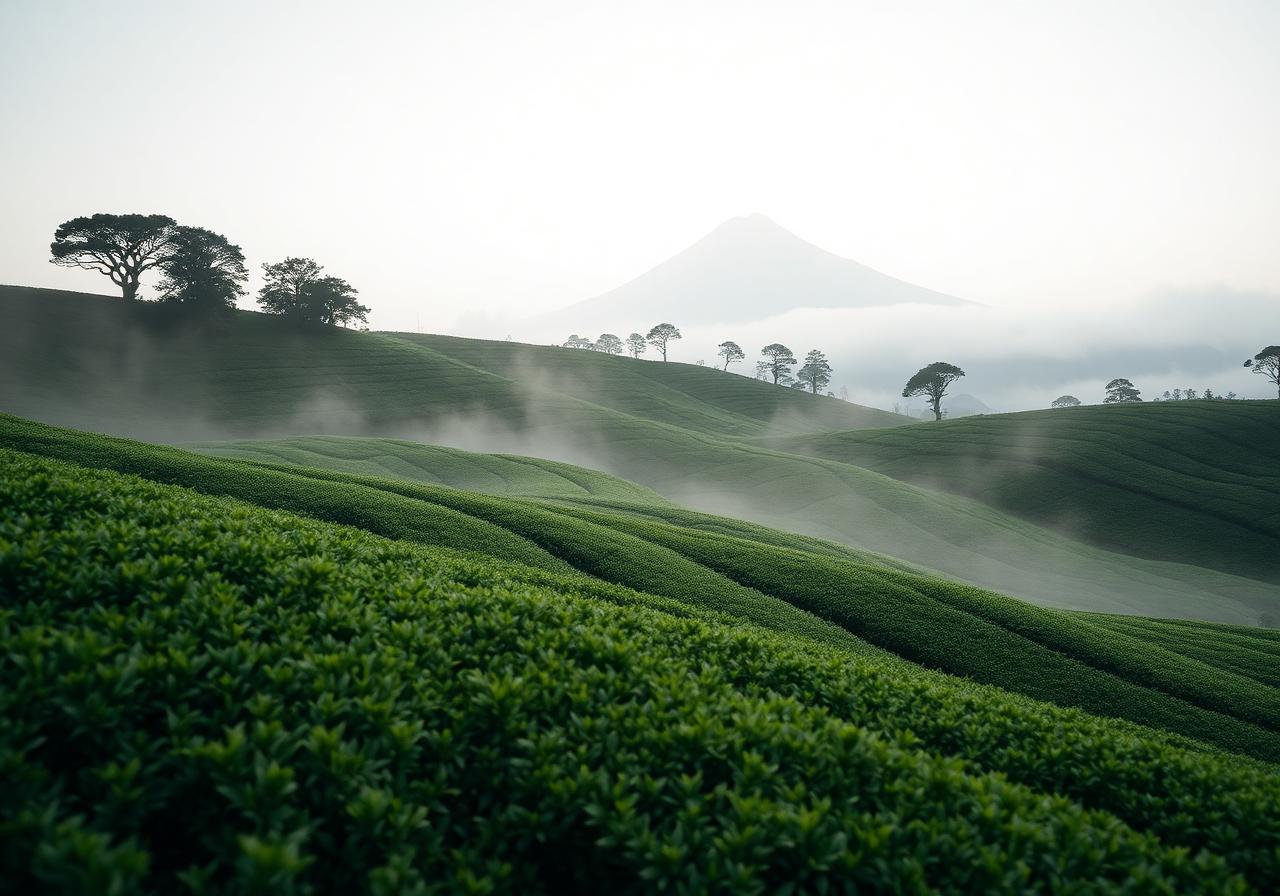
鹿児島
Kagoshima · 鹿児島
Latte-grade, 60% of pours. JA Group's new capacity comes online only in November 2027.
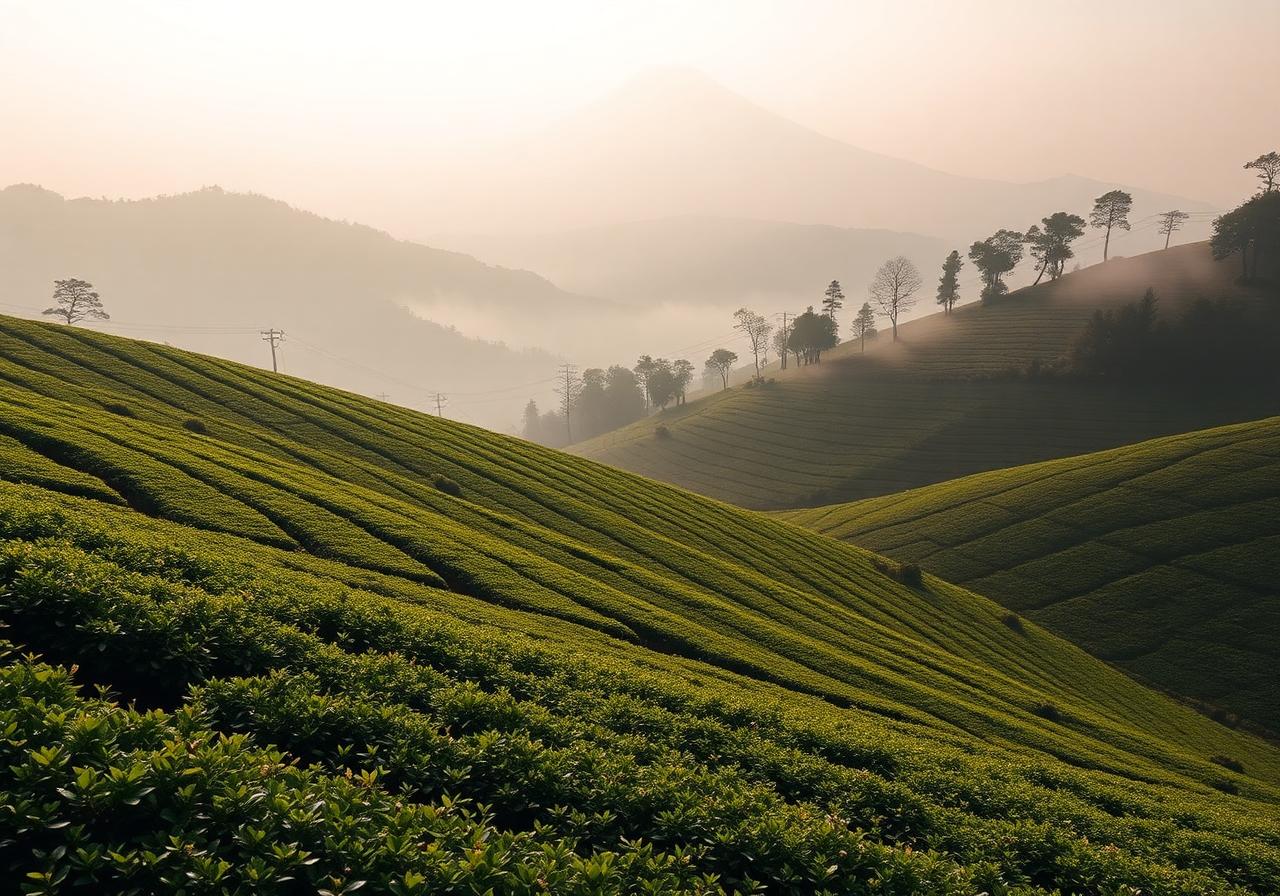
静岡
Shizuoka · 静岡
Hojicha and genmaicha. FOB Japan USD 25–45/kg. The food-cost backbone.
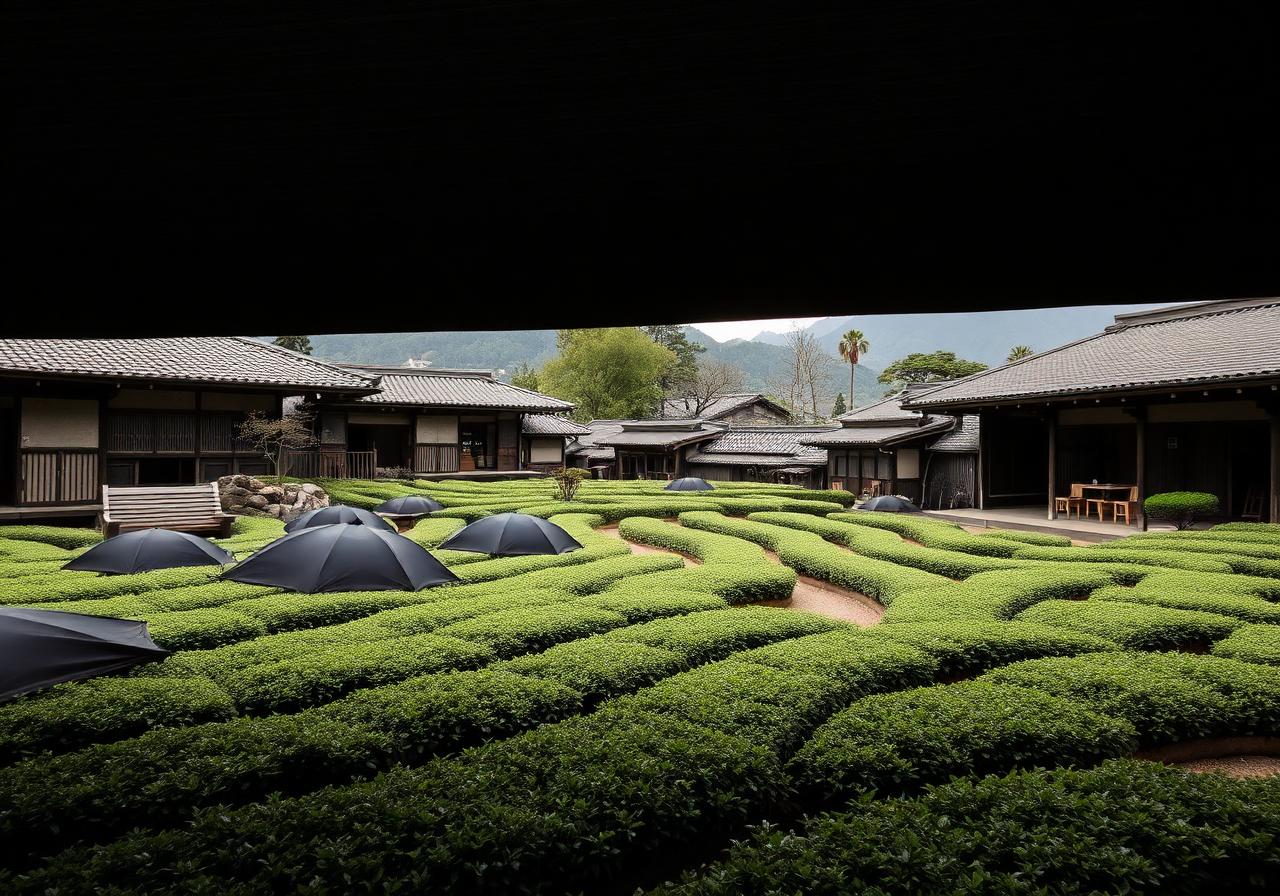
宇治・八女
Uji and Yame · 宇治・八女
Premium ceremonial for retail and signature drinks. Annual allocation with prepay against the 2027 harvest.
Kagoshima — primary for latte-grade matcha (60% of pours). FOB Japan USD 50–70/kg in 2026; JA Group's 300-ton capacity comes online by November 2027.
Shizuoka / Tenryu — primary for hojicha and genmaicha. FOB Japan USD 25–45/kg for hojicha. Structural 4% food-cost margin.
Uji and Yame — premium ceremonial for retail and signature drinks. Annual contract allocation with 25–35% prepay against the 2027 harvest to secure volume against the consumer purchase limits imposed by Marukyu Koyamaen and Ippodo.
JMEPA grants preferential treatment; effective duty approximately 16% on HS 0902.10.01 / 0902.20.01, within the annual 500,000 kg quota for green tea of Japanese origin.
For Japanese suppliers →The numbers
Base case: USD 2.6M → USD 9.0M over five years. 3.5× MOIC, ~28% IRR.
Anchor store · Antara · base case at maturity
- Daily transactions
- 320
- Blended ticket
- MXN 245
- Annual revenue
- USD 1,440,000
- Gross margin
- 76%
- Store EBITDA
- USD 403,200 · 28%
- Store contribution (post-corporate)
- USD 288,000 · 20%
- Payback from opening
- 16–20 months
Three scenarios
| Conservative | Base | Aggressive | |
|---|---|---|---|
| Year 3 revenue (USD M) | 3.2 | 5.5 | 8.5 |
| Year 5 revenue (USD M) | 5.8 | 9.4 | 14.2 |
| Year 5 EBITDA (USD M) | 0.5 | 1.5 | 3.1 |
| Total invested capital (USD M) | 1.7 | 2.6 | 3.8 |
| MOIC @ 8× EBITDA Y5 | 2.5× | 4.6× | 6.5× |
| Unlevered 5-yr IRR | 12–18% | 28–38% | 45–60% |
Base case · IRR waterfall
Capital deployed USD 2.6M over four years. Year 5 EBITDA USD 1.5M. Exit at 8× = USD 12.0M. Investor equity (75%) = USD 9.0M.
The risks
Five risks ranked by probability × severity.
01
Anchor rent exceeds USD 75/m²/mo or the lease falls through.
Three-anchor pipeline (Antara, Mítikah, Plaza Carso); broker engagement in Q2 2026.
02
Kagoshima exporter allocation breaks past Q3 2027.
Dual sourcing from day one; backup Tokyo agent; written contracts with prepayment.
03
Alsea-Starbucks moves to a matcha-led store concept in Polanco/Reforma 2027.
Six-month read on Alsea before Store 4 commitment; supplier depth; multi-SKU platform is hard to mimic.
04
US/UK platform (Blank Street, Cha Cha Matcha) enters CDMX in Year 2–3.
Plant the cluster before the announcement; brand depth via DTC and partnerships.
05
FX shock: USD/MXN to 24+ and JPY/MXN to 0.135+.
FX-hedge planning; forward contracts on JPY purchases ≥ USD 100K.
Combined probability that at least one of risks 1–3 materializes ≈ 50%. That is what makes this an investment decision, not a pitch.
Next step